Internet suspended in Iran as Supreme Leader warns protesters
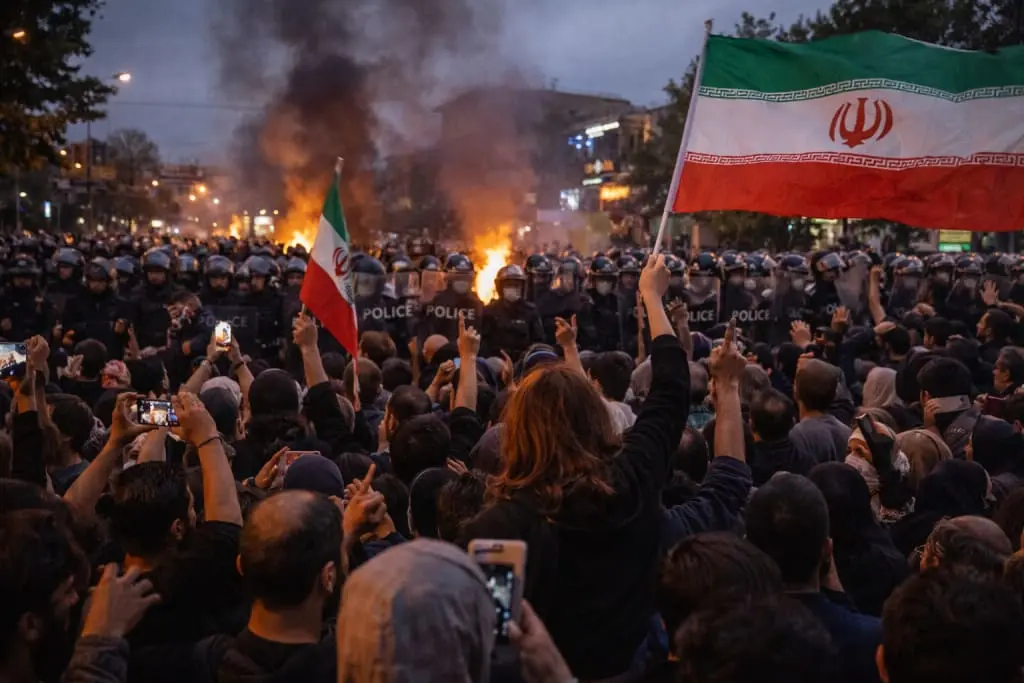
Iran protests began in late December against the supreme leader, Ali Hosseini Khamenei and the Islamic regime. Tehran, Isfahan, Shiraz, Tabriz and Zahedan were the key places of the Protests. It started as a response to the unstable economic conditions and changed into a full-fledged anti-government protest.
Mass protests in Iran, Internet curbed
Iran had been launching missiles, but what the world didn't know was the economic conditions that were eating it up little by little. The Iranian rial dropped massively, and prices of daily essentials rose by up to 50% which led the Iranians to protest against the regime, which failed its people. The protest grew bigger and slowly turned into an anti-government and anti-Islamic regime.
This is Tehran right now.
— Vivid.🇮🇱 (@VividProwess) January 8, 2026
The people of Iran want the regime GONE.
Why is the international media silent?
Share this everywhere.
pic.twitter.com/w4qbNJMSCJ
Iran has imposed a nationwide internet blackout in an attempt to discontinue the protest. Security was deployed in many places that used extreme methods to stop people; over 45 people have been killed. The Iranian government has blamed the United States for such a massive protest.
I’m not afraid. I’ve been dead for 47 years this is the voice of a woman in Iran who is fed up with the Islamic republic.
— Masih Alinejad 🏳️ (@AlinejadMasih) January 8, 2026
47 years ago, the Islamic Republic took our rights and turned a nation into hostages.
Today people have nothing left to lose, they rise.
Iran is rising. pic.twitter.com/GAawmynE0C
This protest is not just targeted at one cause but many; protests have demanded the return of exiled Prince Reza Pahlavi and against the Islamic Regime. The U.S. has warned Iran over the extreme measures it has taken against its protestors, raising tensions between the countries.
 Follow the channel.

Personality
Latest English News



EMI Calculator
Facebook Fanpage